By Kenneth E. Bentsen, Jr.
Most small businesses require equipment in order to operate, but simply don’t have many funding options. Aside from internally generated cash flow or credit lines, businesses interested in acquiring equipment require other choices for financing their capital spending. Many finance companies, from commercial banks to manufacturers and smaller, more specialized commercial finance companies around the country, offer a variety of options for financing equipment and the key is knowing which options best suit your capital goods needs and your financial structure.
For a small- to mid-sized company, regardless of current economic and market conditions, financing the acquisition of equipment rather than using cash might offer significant benefits while mitigating risks. More importantly, how you finance should be the result of careful planning based upon many factors. There are several things to consider in searching for the financing option that best matches the needs of your company, including practicality, cost-effectiveness, type and use of equipment and cash flow and long-term capital and credit demands.
How can you determine which is best for your company? Factors to keep in mind include knowing the length of time for which the equipment is needed; your tax situation; cash flow; and your company’s future capital needs related to future growth.
Some of the benefits for financing equipment include:
1. Flexible financial solutions. The types of financing solutions equipment finance companies offer - especially leases - are flexible and can be tailored to specific accounting, tax or cash flow needs. They run the gamut from fair-market value (FMV) lease transactions and capped FMV leases to full payout loans.
2. Capital preservation. Preservation of capital is a consideration of most businesses that makes equipment financing an attractive option. Investing in large capital expenditures often represents big financial risk, especially for small companies. Financing versus spending cash, and particularly the type of financing employed (lease v. loan) can help mitigate the uncertainty of investing in a capital asset that might not yield the desired return, increase inefficiency, cost savings or future sales. For instance, lease payments can often be matched to the productivity the equipment produces.
3. Improved expense planning. Maintaining cash flow and consistent budgeting is another tip to consider about equipment financing. Instead of considerable capital outlays resulting in huge budget fluctuations, financing enables even expense planning. Tax considerations also come into play. Full payout leases or equipment loans allow the borrower to take depreciation on the asset acquired, where as an operating or fair market value lease allows the borrower to take lower payments but no depreciation. A loan allows you to lock in your payments for the expected life of the asset, whereas a lease provides lower expense for the expected time of use.
4. Business cycle flexibility. Flexibility is another key aspect of equipment lease financing, in particular. Some types of leases allow for seasonal business fluctuations, lower monthly payments while a project is ramping up and revenue not yet being generated from the equipment and other specific circumstances your business might experience.
5. Up-to-date technology. The ability to have the latest equipment is important in today’s business environment. By funding equipment acquisitions through term financing, businesses are often able to acquire more and better equipment that might have been out of their reach if they only considered acquiring it through a cash purchase.
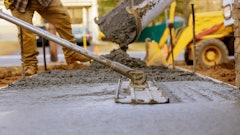
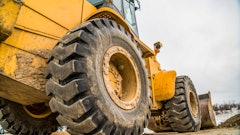
6. Equipment experts. Some equipment finance companies are equipment experts and offer equipment specialties which other sources of finance do not. Equipment finance experts have special relationships with manufacturers and distributors. Many equipment financiers specialize in certain equipment types or industry category, such as construction equipment.
7. Managed obsolescence. Managing obsolescence is a strategic benefit of equipment lease finance, in particular. The risk of owning obsolete equipment is eliminated if you use lease financing for your acquisition, since many agreements allow for easy and fast equipment updates.
Additionally, most equipment finance companies, in partnership with their vendors, will work with the customer to “right size” the equipment, by structuring co-terminus transactions or facilitating trade-ups to ensure the customer has the appropriate equipment. Further, most financiers handle the disposal and other ownership burdens of equipment when it is time to upgrade.
8. Dependable asset management. Asset management is a key benefit of many forms of equipment finance, ensuring equipment in production and isn’t under-utilized or over-utilized. Knowing where your equipment is being used, how much, and when it is time to upgrade or update it - including disposal - is an important service that many financing companies offer. A good asset management program tracks equipment throughout its life cycle from delivery to its installation, use, maintenance, and finally de-installation and disposition.
9. Equipment disposal. Equipment disposal is another issue to consider before financing equipment. Most businesses don’t have the resources or knowledge to efficiently manage and sell their old equipment. The convenience of having equipment managed by a third party, such as an equipment leasing and financing company, allows businesses to focus on core operations. With lease financing, for instance, you could essentially outsource the equipment management function so the financing company can handle its disposal or resale when it is time to retire the asset.
10. Reduced risk. Equipment purchases involve risk to the owner - from equipment expertise to capital outlays, from asset management to obsolescence - which become the burden of the equipment owner. Financing removes many unnecessary risks, allowing you to focus on your business.
Knowing the options available for a company interested in equipment acquisition will enable you to obtain the most for your company without hamstringing your budget or your company’s future. Remember, you make money by using equipment, not necessarily by owning it.