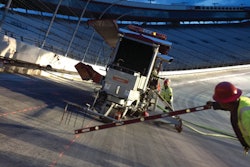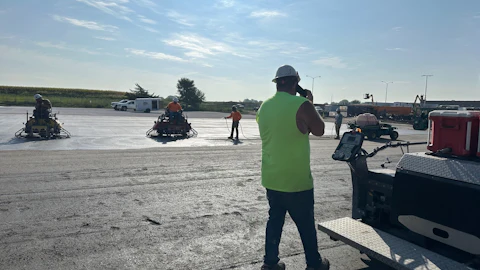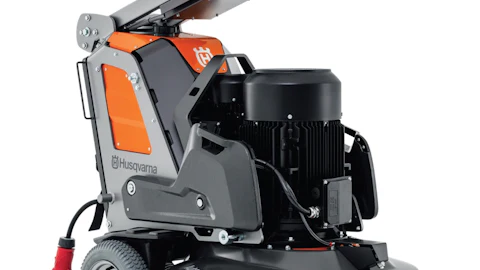

The practice has been used since the 1960s, but diamond grinding on airfield pavement has been a point of debate on what effect the work has on the concrete pavement. The study "Effects of Diamond Grinding on Airfield Concrete Pavements," led by Nichols Consulting Engineers (NCE) through the Airport Concrete Pavement Technology Program was published in January 2026. The team took a long look at 12 airports in the US and Canada. We connected with Nick Davis, Director of Technical Services at the International Grooving & Grinding Association, to talk about the results.
Watch FCP is a video-first content and sponsorship program designed to connect advertisers with highly engaged construction professionals across YouTube, social media, email, and more.
Jonathan Kozlowski, Editor-in-Chief, Concrete Contractor: Hi, I’m Jon, editor-in-chief of Concrete Contractor. Picture this: after years of design, testing, and months of construction, a machine sits on a finished runway, not exactly delaying the job, but doing its part in finishing it. It's essentially cutting small grooves in the top layer, a series of small ridges, almost creating a corduroy effect. Sounds like you're damaging the concrete, right? Some say it is. Research says otherwise. Diamond grinding pavement has been around since the 1960s The International Grooving and Grinding Association has been a big proponent of this practice. According to one of their papers, NASA even looked into it and later accepted that the safe practice for asphalt and concrete runways around the world. They even inducted the practice into their hall of fame, but there's always a but. Some questions remained about the risk of foreign object debris, or FOD. (Pronounced "F - odd".) So, the study "Effects of Diamond Grinding on Airfield Concrete Pavements" took a long hard look at this problem.
Nick Davis, Director of Technical Services, International Grooving & Grinding Association: That was really the goal of this report, was to determine one, do we create risk by doing diamond grinding or not, and two, is the concrete in a lesser condition after diamond grinding take place. And by and large, what they found was, no, it does not create FOD unless you have a materials issue that already existed, and also that the concrete that was diamond ground was oftentimes performing better than the concrete that was not diamond ground
Kozlowski: That was Nick Davis, Director of Technical Services at the International Grooving and Grinding Association. His role includes the promotion and education of engineers across the country about the benefits of diamond grinding, diamond grinding, and pavement repair to ensure they are optimizing their investment in highways. He has more to say.
Davis: One of the things that stood out to me as a surprising finding was that, and this wasn't necessarily documented in the paper, but there was a few airports that he went out to, and the engineers were like, "We got some diamond ground sections out there, we're not exactly sure where they're located, but what's interesting about that to me is that the squeaky wheel requires the grease, so if you don't even know where that section is, that was diamond ground, it's not requiring you to come back out there and do maintenance and invest time and resources on it, so that to me shows that it's effective.
Kozlowski: So, why not do this everywhere, cost well, cost and time, cost time, and the concern of FOD that it's making the concrete worse. So that's why we needed this research done. The thing is, you don't need to diamond groove everywhere, it's why we have safety grooving anywhere you have high speed vehicle movement, whether it be airplanes or cars, in Davis's eyes, it's worth it to apply diamond grind or a safety groove.
Davis: Just the reason why it's not as widespread accepted in the world of airport is because of the concern of FOD and that perception that it's somehow making the concrete worse, and that's what I think is fantastic about this report, is it kind of shows that that's not the case. So, if you have areas where diamond grinding can benefit you. Go out there, and as long as your concrete is good sound condition, let it rip.
Kozlowski: Find the full story through the link below. If you're interested in more happenings within the construction industry, follow Watch FCP and check us out at ForConstructionPros.com