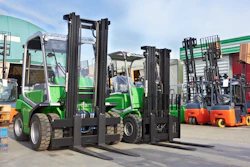
Sustainable manufacturing is transforming the heavy equipment and construction industries as companies work to reduce environmental impacts while improving efficiency. Historically, manufacturing construction equipment required significant amounts of energy, raw materials and fossil fuels, contributing to greenhouse gas emissions, air pollution and resource depletion.
Growing concerns about climate change, combined with increasingly strict environmental regulations, are driving manufacturers to adopt more sustainable production methods. These efforts focus on reducing waste, improving energy efficiency, minimizing emissions and conserving natural resources. Sustainable manufacturing practices also support construction and infrastructure projects by lowering environmental impacts while helping companies manage operating costs.
According to Consegic Business Intelligence, the sustainable manufacturing market is projected to exceed $501 billion by 2032, growing at a compound annual growth rate of 11.6%.
Smart Manufacturing Drives Efficiency
Heavy equipment manufacturers are increasingly adopting technologies like artificial intelligence, robotics and automation to improve production processes while reducing environmental impacts.
These technologies allow manufacturers to monitor equipment performance in real time, optimize energy use and reduce waste throughout the production cycle. Many companies have also embraced lean manufacturing principles to eliminate inefficiencies and improve resource utilization.
Additive manufacturing, commonly known as 3D printing, is also helping manufacturers produce components more precisely while reducing material waste. At the same time, sustainable supply chain initiatives are beginning to encourage companies to source environmentally responsible materials and reduce transportation-related emissions.
Renewable Energy Gains Momentum
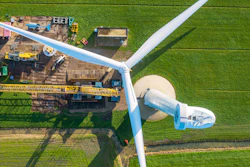
Renewable energy and energy-efficient systems are playing a growing role in heavy equipment manufacturing operations. Many facilities now incorporate solar and wind energy to reduce dependence on fossil fuels and lower greenhouse gas emissions. Manufacturers are also investing in energy-efficient machinery and power management systems that automatically monitor and regulate electricity consumption.
Another major trend is the electrification of construction equipment. Electric and hybrid machines produce fewer emissions than traditional diesel-powered equipment, prompting manufacturers to develop lower-emission technologies and improve fuel efficiency across product lines.
As environmental concerns continue to grow, renewable energy and energy-efficient systems are becoming increasingly important components of modern manufacturing strategies.
Circular Economy Principles Reduce Waste
Circular economy practices are becoming more common throughout the construction and heavy equipment sectors. Rather than relying solely on new raw materials, manufacturers are focusing on reusing, recycling and refurbishing materials and equipment to reduce waste and conserve resources.
Life-cycle assessments are increasingly used to evaluate a product's environmental impact from production through disposal. These practices can help reduce manufacturing costs, decrease landfill waste and improve overall operational efficiency while supporting compliance with environmental regulations.
Benefits Beyond Sustainability
The adoption of sustainable manufacturing offers both environmental and business benefits. Reducing energy consumption and material waste can lower operating costs while improving production efficiency. Sustainable practices can also help manufacturers comply with evolving environmental regulations and avoid potential penalties.
In addition, sustainability initiatives can support corporate social responsibility goals, improve workplace conditions and strengthen relationships with customers and investors. As demand for sustainable infrastructure and equipment continues to grow, manufacturers that invest in environmentally responsible production methods may be better positioned to compete in the market.
Looking Ahead
Sustainable manufacturing is becoming an increasingly important part of heavy equipment and construction production. Through the use of advanced technologies, renewable energy and circular economy principles, manufacturers are reducing waste, lowering emissions and improving resource efficiency.
As environmental regulations evolve and demand for sustainable products grows, manufacturers will likely continue investing in practices that support both long-term business performance and environmental stewardship.