
Construction safety has never been static. Over the years, the industry has adapted to new regulations, emerging technologies, changing workforce dynamics and evolving jobsite risks. Today, another important shift is underway: a growing recognition that protecting workers means not only preventing incidents but also ensuring they can quickly access help when emergencies occur.
As construction companies manage increasingly mobile workforces, labor shortages, and more employees working independently across multiple locations, organizations are taking a closer look at how they support workers when supervisors and coworkers are not immediately present. From emergency response and heat-related illnesses to communication protocols and connected safety technology, protecting lone workers is becoming a more prominent part of the broader construction safety conversation.
Understanding the risks lone workers face and the steps organizations can take to address them will be critical as the industry continues to build safer, more resilient workplaces.
The Evolution of Construction Safety for Solo Workers
Historically, safety initiatives focused heavily on preventing physical injuries through PPE, equipment standards and jobsite compliance. While those fundamentals remain essential, employers are now recognizing that worker safety extends beyond visible hazards.
Today's construction workforce is more dispersed than ever. Technicians, inspectors, project managers, utility crews and contractors often spend significant portions of their day working independently. That may mean traveling between sites, operating in remote locations or working in isolated areas of a large jobsite where colleagues may not be immediately nearby. As a result, organizations are paying closer attention to what happens when an incident occurs and no one is immediately available to help.
The conversation has shifted from simply preventing accidents to ensuring workers can quickly access support during emergencies. Companies are asking not only, "How do we reduce risk?" but also, "How do we ensure every employee can get help when they need it, wherever they're working?"
The need for that support becomes even more important when considering the unique challenges lone workers face during emergencies and unexpected incidents.
Why Lone Workers Face Greater Risk During Emergencies
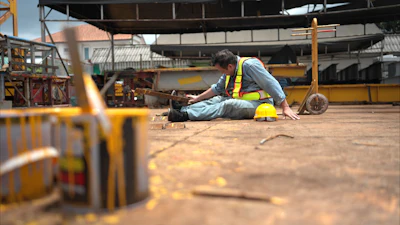
The primary challenge for lone workers is delayed intervention. When coworkers are nearby, a slip, fall, medical event or threatening situation is often quickly noticed. For someone working alone or working in an isolated area of a large jobsite, however, an emergency can go undetected for a long period of time.
Construction environments also present unique risks. Employees frequently work in changing environments, travel between locations, encounter unfamiliar settings, and may be exposed to hazards such as working at heights, operating equipment, extreme weather conditions or interacting with members of the public.
Additionally, many emergencies aren't always related to workplace incidents. Heat-related illnesses, cardiac events, sudden injuries or incapacitation can occur without warning. When someone is isolated, even a short delay in response can significantly impact outcomes. That's why organizations are placing more emphasis on closing the gap between an incident occurring and help arriving on the scene.
Heat Safety and the Added Risks of Working Alone
While emergencies can take many forms, one risk that continues to demand greater attention across the construction industry is extreme heat, as it presents both physical and operational challenges for workers. Heat exhaustion and heat stroke can develop rapidly, especially when workers are performing physically demanding tasks outdoors.
The danger is amplified for lone workers because the symptoms of heat-related illness often impair judgment and can progress quickly. A worker may become disoriented, dizzy, or physically unable to seek help. Without coworkers nearby to recognize the warning signs, a serious medical event can escalate before anyone is aware that assistance is needed.
Summer conditions also contribute to fatigue and dehydration, which can increase the likelihood of mistakes, slips, trips and other incidents. For construction companies, heat safety planning should go beyond reminders to drink water. It should include clear procedures around hydration, rest breaks, shaded or cooled recovery areas, training on signs of heat stress and communication expectations for workers who may be alone or moving between sites.
As temperatures peak in many regions, heat management is becoming a critical component of construction safety planning.
Practical Steps to Improve Lone Worker Protection
Protecting lone workers doesn't require adding complexity to operations. The most effective strategies are often the simplest and easiest to integrate into daily workflows.
Organizations should begin by identifying which employees regularly work alone and understanding the specific risks associated with their roles. From there, establishing clear communication protocols, regular check-ins and emergency escalation procedures can significantly improve worker safety.
Not all lone worker roles carry the same level of risk. A project manager conducting site visits may face different challenges than a utility worker operating in remote locations or a contractor traveling alone between jobsites. Understanding those differences allows organizations to tailor safety procedures to the realities of each role.
Training is equally important. Workers should know how to recognize signs of heat stress, fatigue, medical emergencies, and personal safety concerns, as well as understand the steps to take if assistance is needed.
Technology also plays a meaningful role. Connected safety solutions that allow workers to discreetly request help or automatically trigger an alert when someone may be incapacitated can provide an additional layer of protection without disrupting productivity. The goal isn't to monitor workers; it's to ensure support is available when employees need it most.
The Future of Construction Safety
The future of construction safety will be increasingly proactive, connected and worker centric. Organizations are moving beyond compliance-driven programs and focusing more intentionally on creating environments where employees feel protected, supported and confident while performing their jobs.
Connected safety technologies will play an even greater role in that strategy. As construction companies continue to manage labor shortages and more distributed workforces, there is growing recognition that employers need better ways to stay connected with workers who operate independently.
Technology will not replace traditional safety practices, but it will complement them by providing greater visibility and faster access to support when incidents occur. Ultimately, the strongest safety programs will be those that enable organizations to protect employees not only when supervisors are present, but especially when workers are on their own.
At its core, the future of construction safety is about ensuring every worker, regardless of where they are or who they're with, has a reliable way to get help and return home safely at the end of the day.