For contractors in the south, heat is not a seasonal inconvenience but a defining job site challenge. Across Texas, construction teams are working through longer periods of high temperatures, elevated humidity and extended heat advisories that stretch from late spring well into the fall. Rather than preparing for occasional heat waves, construction teams today must plan months of sustained exposure to dangerous conditions.
The reality is that heat safety is a serious issue that demands increased attention. It requires planning, training, communication and continuous monitoring. Companies that make heat safety a top priority protect their employees and improve productivity, which automatically reduces disruptions and results in better project outcomes.
Creating a safety culture that accounts for the seriousness of summer heat is an important responsibility, especially as the construction industry struggles to find skilled labor.
Heat Safety Begins Before Temperatures Rise
Heat illness prevention begins before workers pulled on their boots on a jobsite. Every morning presents the opportunity to reinforce expectations, review weather conditions and discuss the day's potential risks. These conversations establish heat safety as an essential part of each day, just like any other safety measures.
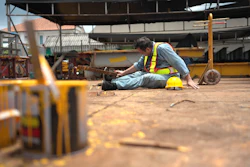
Most construction teams have some form of toolbox talk or start-up meeting. This is the ideal time to focus on heat hazards and remind workers to recognize early symptoms in themselves and their coworkers. Employees should understand the difference between heat cramps, heat exhaustion and heat stroke, along with the importance of reporting symptoms immediately instead of attempting to "push through."
Even though some workers may think they have acclimated to the heat, they may not realize heat-related illnesses often develop gradually. Workers can start the day feeling just fine, but deteriorate quickly as temperatures climb, especially during physically demanding tasks.
Encouraging and exhibiting open communication encourages workers to speak up if they are feeling unwell without fear of being perceived as weak or having marks on their job performance. A safety culture encourages early intervention when simple actions like rest, hydration or moving to shade can prevent a medical emergency.
When supervisors consistently discuss heat risks, employees begin viewing heat safety as a shared responsibility rather than an individual burden.
Planning Through the Entire Season
Those contractors in states with extended and extremely hot summers cannot simply prepare for a few exceptionally hot days. Many regions now experience consecutive weeks with feels-like temperatures topping 100 degrees plus. Consistently working in these conditions places a lot of stress on workers' bodies. This stress makes the recovery between shifts even more difficult as overnight temperatures remain elevated.
That said, it is important for EHS professionals to approach heat management with comprehensive planning. This includes evaluating seasonal forecasts, identifying high-risk work activities, scheduling labor-intensive operations strategically, and ensuring sufficient supplies of water, shade structures and cooling equipment before projects begin.
Project teams also recognize different phases of construction carry different heat risks. Concrete placement, steel erection, roofing and utility work each present unique physical demands and varying levels of sun exposure. Rather than relying on a one-size-fits-all approach, EHS professionals increasingly tailor heat mitigation strategies based on project type, crew responsibilities and anticipated environmental conditions.
Treating heat as a predictable operational challenge, not an unexpected weather event, helps companies remain proactive instead of reacting after problems develop.
Technology Identifies Risks Before Emergencies
The technology that is now available to EHS professionals allows them to better understand environmental conditions and recognize developing risks before workers become seriously ill.
Many companies now monitor site-specific heat indexes throughout the day rather than relying solely on general weather forecasts. Environmental monitoring equipment can measure temperature, humidity and other conditions that influence how workers experience heat in different areas of a project. These real-time measurements help supervisors make informed decisions about adjusting work activities, increasing breaks or implementing additional protective measures.
Wearable technology is also beginning to play a larger role on some projects. Depending on the application, wearable devices can monitor physiological indicators such as elevated heart rate, body temperature or physical exertion, providing another layer of information that may identify workers experiencing excessive heat strain, quite literally saving lives.
While technology is not a replacement for experienced supervision or worker awareness, these tools can support better decision-making by providing objective data throughout the workday. Combined with weather forecasting and established safety protocols, environmental monitoring enables contractors to respond proactively as conditions change.
Adjusting the Workday to Reduce Heat Exposure
One of the most effective ways to reduce heat-related illness is often one of the simplest. Limit workers’ exposure during the hottest hours of the day.
Many construction sites now modify work schedules during peak summer months by starting shifts earlier, moving physically demanding activities into cooler morning hours and reserving less strenuous tasks for the afternoon whenever project conditions allow.
Flexible scheduling helps reduce cumulative heat stress while allowing projects to continue moving forward safely.
Recovery areas have also evolved significantly as we have learned more about preventing heat illnesses over the years. Instead of expecting workers to rest wherever shade happens to be available, many EHS leaders establish designated cooling stations equipped with shade canopies, seating, fans, cold drinking water and electrolyte drinks or popsicles.
These recovery areas encourage workers to take breaks without judgment and allow their body temperatures to recover before returning to work.
Some jobsites also provide cooling towels, misting fans or portable air-conditioned trailers for particularly challenging conditions. This is an ideal setup that should be adopted in climates that deal with extended extremes.
When planning the job, it is important to account for these recovery periods and not consider them as workday interruptions. Cooling breaks are also beneficial to overall job productivity. When workers are cared for, they can perform more effectively after recovering instead of continuing to work while experiencing excessive heat stress.
Acclimating Workers Safely Reduces Risk
EHS Leaders know one of the highest-risk groups on any construction site includes employees who are new to outdoor work or returning after extended time away. Even though the human body gradually adapts to working in hot environments, the process takes time.
New hires, workers returning from vacations, medical leave or seasonal layoffs and employees transferring from indoor assignments all require careful acclimation. Rather than immediately assigning these employees full workloads in extreme conditions, experienced contractors gradually increase work duration and physical intensity over several days.
During this acclimation period, supervisors monitor workers more closely for signs of heat-related illness while encouraging frequent hydration and additional rest breaks. This gradual approach allows the body's cooling mechanisms to adjust more effectively and significantly reduces the likelihood of serious heat illness.
Hydration Requires More Than Simply Drinking Water
Hydration remains one of the foundations of heat illness prevention, but EHS leaders recognize effective hydration strategies involve much more than providing water coolers. Workers performing strenuous labor for extended periods lose significant amounts of fluids and electrolytes through perspiration. Replacing only water may not always be sufficient, particularly during prolonged exposure to extreme heat.
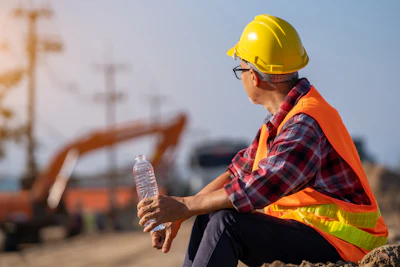
Many contractors now supplement water with electrolyte replacement beverages or electrolyte packets during demanding conditions to help replenish minerals lost through sweating. Hydration stations are positioned conveniently throughout jobsites so workers do not have to travel long distances to access fluids. Cold beverages are replenished regularly, encouraging more frequent consumption.
Equally important are structured hydration reminders. Supervisors increasingly encourage workers to drink before they feel thirsty, recognizing that thirst alone is not always an adequate indicator of hydration needs.
Crew leaders may incorporate scheduled hydration breaks into daily work routines, reinforcing that drinking fluids is an expected part of safe job performance rather than an optional activity.
A Heat Safety Culture Benefits an Entire Project
The most successful contractors understand that heat safety extends well beyond regulatory compliance. A comprehensive heat safety program protects workers while strengthening overall project performance.
Healthy workers are more alert, make better decisions and are less likely to experience fatigue-related incidents. Fewer heat-related illnesses also mean fewer disruptions, fewer emergency responses and greater schedule of reliability.
Strong safety cultures also improve employee morale. When workers see leadership invests in shade structures, hydration resources, schedule flexibility and ongoing education, they recognize that their well-being is a genuine organizational priority. That trust often contributes to higher engagement, stronger retention and improved recruitment in an industry where skilled labor remains difficult to replace.
Clients increasingly recognize these benefits as well. Contractors with mature safety programs often demonstrate stronger operational discipline, better planning and more consistent project execution.
Ultimately, heat safety is no longer simply about surviving the summer. It has become an essential component of workforce management, operational excellence and long-term business success.
Building Resilience Through Preparation
Technology will continue to improve, and new innovations will provide additional tools for identifying heat-related risks. But the foundation of every successful program continues to hinge upon informed supervisors, engaged workers and a company-wide commitment to making heat safety part of everyday operations.
When heat safety becomes embedded in the culture vs. just activated during weather alerts, construction teams are better positioned to protect their people, maintain productivity and deliver successful projects throughout the long summer.