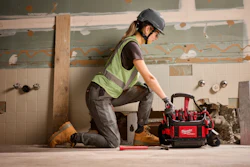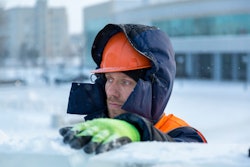

On a job site, everyone might start the day with a full tank but by mid-afternoon even the hardest workers are starting to feel drained. When that happens, it causes a chain reaction. Productivity stalls, mistakes are more likely and tasks that might have been slated for today are pushed to tomorrow. Add skyrocketing temperatures to the mix and things can go from less-than-ideal to downright bad in short order, and the conversation around heat safety needs to extend beyond “more water, more shade and more breaks.”
Those interventions matter, and in many cases can prevent injury and even save lives. But looking only at those habitual changes leaves a lot of questions unanswered. For example: If the air temperature in the forecast is a variable we can’t change, why aren’t we addressing variables that we can, like what our teams are wearing?
The Scale of the Problem
By its very nature, the construction industry deals with a disproportionate share of the country’s heat burden, with EPA statistics showing that 334 workers died from on-the-job heat exposure between 1992 and 2022. That figure makes up roughly 34% of all occupational heat-related deaths in the country during that same period. All told, construction workers make up just 6% of the nation’s workforce, but account for over one-third of heat-related deaths, and that’s a pattern that has sustained itself over time.
But as serious as the fatalities are, they’re only the most visible part of a much larger problem. Bureau of Labor Statistics data reveals that nearly 34,000 work-related heat injuries and illnesses – resulting in at least a day away from work – were tallied between 2011 and 2020. These numbers are almost certainly much lower than the reality, as the tracking for heat-related incidents often leads to misclassification.
The Occupational Safety and Health Administration (OSHA) is currently building out its rules for the first federal heat standard for outdoor and indoor work. Until that rule is finalized, contractors are left to manage these risks using the General Duty Clause and various state-specific requirements. With that kind of regulatory uncertainty looming, it’s clear that getting in front of heat exposure now – rather than waiting for a compliance deadline to appear on the horizon – is the appropriate response.
Why Gear Matters as Much as Weather
What a worker experiences on the job site, in a warehouse, or any other location where they’re performing manual labor isn’t just the ambient temperature. It’s the sum of physical exertion, radiant heat from equipment and surfaces like asphalt, humidity, direct sun exposure, hydration, conditioning, and of course, what the worker is wearing for ten to twelve hours of their day.
Modern PPE is designed to protect workers primarily from physical hazards of the jobsite, like impacts, punctures, electrical contact, and falls. Far less common is gear that addresses thermal load, and many pieces of common work attire may be suitably protective while also trapping heat, restricting airflow and holding moisture against the skin rather than allowing it to passively cool the wearer.
When that built-in temperature regulation is impaired, the consequences show up long before a person collapses from exhaustion. Research from NIOSH and others has found that as core body temperature increases, motor coordination declines, reaction time slows and judgement is impaired, and all of this comes before a person reaches clinical levels of heat illness. On a busy jobsite, those subtle changes can translate into safety incidents as worker coordination drops, with fatigue contributing to injuries.
The Footwear Blind Spot
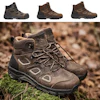
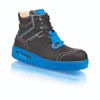
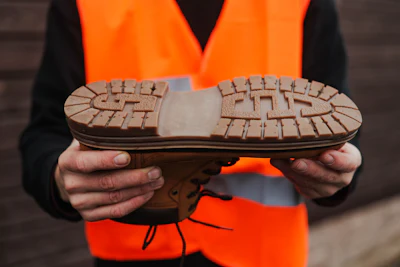
Of all the PPE a construction worker wears, footwear is the most consistently in contact with the body and the most consistently overlooked in heat planning. Hard hats come off during breaks. Gloves and high-visibility outer layers get swapped out. Boots stay on from the first walk-through to the last truck loaded.
The always-on nature of footwear is critical because feet are an active site of heat exchange for the human body. Blood vessels in the lower extremities are crucial for dissipating heat from the core and circulation in the feet is tied closely to overall thermal regulation. Footwear that traps heat and moisture through non-breathable materials and poorly-designed linings compromises this. When the core temperature increases, recovery takes longer and fatigue sets in sooner.
Then there’s the matter of how heavy, hot and ill-fitting footwear contributes directly to muscle fatigue in the legs and lower back. When a work shift takes place outdoors in the sun, that heat and fatigue compounds, and workers who finish their day exhausted are more likely to make fatigue-related mistakes the following morning. When crew turnover increases, contractors foot the bill for new hires and training, and this all comes long before anyone reaches the point of actual injury.
What Contractors and Manufacturers Should Be Asking
Contractors and equipment manufacturers that are taking the time to seriously consider heat exposure as a focal point of their PPE plan should put footwear through the same scrutiny. There are a few key questions worth considering during procurement and safety review periods:
- Breathability. Does a boot’s construction allow both heat and moisture to escape or does it trap both against the foot? Material choice and lining design can make a meaningful difference.
- Weight. Composite safety toes and lighter outsole materials can both deliver the same protection rating as heavier alternatives and reduce the cumulative physical load on the worker.
- Fit. Footwear that pinches, rubs, or restricts circulation does not just create discomfort, but actively interferes with the body’s thermal regulation. Properly fitted boots are a heat-safety issue, not just a comfort issue.
- Wear cycle. Worn-out boots can quickly lose their insulating, cushioning and breathability properties long before they look visibly destroyed. Footwear inspection should be built into seasonal safety reviews to catch problems before they show up as injuries.
Water, shade, adequate rest, and acclimatization are still paramount, and those fundamentals should always come first. But contractors and manufacturers that are serious about reducing the human and financial cost of dangerous heat exposure should treat gear as part of the heat safety equation, not as a separate concern. Crews that end their day alert, uninjured, and ready to work tomorrow are the ones operating within frameworks that take the entire safety picture seriously, including the parts most people never think to consider.