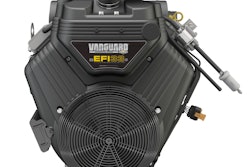


For concrete contractors, a power trowel is the final tool used to produce an even, level surface and durable finish — a non-negotiable for profitability and reputation. But that perfect finish is dependent on the heart of the machine: its engine.
Whether your job calls for a ride-on trowel or a smaller walk-behind unit, the engine powering that machine must deliver consistent, powerful performance. In a job with a narrow, time-sensitive curing window, that engine's performance isn't just about the quality of the finish — it's about preventing costly rework and protecting your profit.
The High Cost of Mid-Slab Failure
In concrete work, there is no pause button. Because the window for finishing is typically only two to four hours, any engine interruption creates an immediate challenge. If a machine goes down mid-slab, operators are often forced to pivot to manual finishing or scramble for a backup unit.
Neither is a perfect substitute. Manual labor is significantly more intensive and rarely achieves the same level of flatness or consistency as a power trowel. If the concrete sets before the work is completed, the stakes can escalate from added labor costs to a full tear-out and restart. By prioritizing engine reliability, contractors are doing more than buying equipment; they are protecting themselves against the high cost of wasted materials and project delays.
Speed, Power & Precision
Power trowels are used in many types of facility construction or renovation jobs. From smaller residential projects, such as garages, to the construction of large warehouses and data centers, any project with a poured concrete floor typically requires a power trowel. It is used to smooth, level and polish the concrete surface to create a dense, flat and durable finish. A power trowel operates using rotating blades to compact the concrete and squeeze out excess water, which helps prevent cracking and improve strength. Trowel operators work through multiple passes to achieve the desired level of smoothness and shine.
The most important factor for contractors is achieving the desired aesthetics and finish. The concrete floor in a big box store or warehouse, for example, must be level and smooth since wheeled carts will roll on it. Some applications may require a specialty finish with a sealant or paint, which means smooth concrete with zero imperfections and a consistent finish is needed across the entire spread.
Evaluating Your Trowel's Engine
When selecting a power trowel for your next job, evaluate its engine based on factors that directly impact your efficiency and costs:
- Consistent Power — The single most critical factor is an engine that delivers consistent, reliable torque through the entire rpm range. This prevents engine bog-down, which can result in an uneven finish. Consistent rpm performance helps ensure a proper surface finish and prevent costly rework.
- Proper Sizing — Different types and sizes of power trowels have varying horsepower levels. When evaluating a machine, make sure the OEM has properly matched the engine power to the machine's size and weight. An undersized or underpowered engine can bog down under the load: wasting fuel, increasing labor time and causing inconsistent blade speed. This translates into an uneven finish and a direct hit to your bottom line.
- Servicability — Because there is a limited window in the curing process, downtime is not an option. When inspecting a new trowel, look at the engine’s design. Is it built for easy service, with accessible touchpoints for oil changes and filter replacements? It’s important to follow the recommended maintenance schedule to keep the engine performing optimally. Any leaks, such as oil or hydraulic fluid, could potentially drip and ruin the concrete surface. Also, consider features designed for harsh environments, like heavy-duty cyclonic air filters, which can significantly extend service intervals and save valuable time on the job.
- Advanced Engine Features — While fundamentals are key, some power trowel models are equipped with engines that include advanced technologies like electronic fuel injection (EFI). For a contractor, an EFI system can deliver improved starting in all temperatures, smooth performance at all elevations, and quicker load acceptance. It also optimizes fuel consumption, which translates directly to lower daily operating costs. To further ensure reliability and prevent a sudden shutdown on wet concrete, look for engines featuring advanced filtration. For example, cyclonic air filtration excels in demanding environments. These systems are built with tight tolerances to ensure consistent performance in even the harshest, high-dust conditions.
For contractors working on indoor projects — such as data centers or enclosed warehouses — propane engines are often the preferred choice. Propane is a clean-burning, efficient fuel that produces minimal emissions compared to gasoline, making it safer for enclosed spaces.
While propane conversions typically result in about a 10 percent power loss compared to gasoline, advanced technology can bridge that gap. For example, electronic throttle control systems use an engine control unit to constantly calibrate the engine. This ensures the best possible power output and quicker load acceptance, even on propane. When contractors use a certified propane conversion, they keep the same level of reliability and the peace of mind offered by its factory 3-year commercial warranty on propane engines.
A contractor's livelihood depends on choosing a power trowel that provides reliable uptime. By viewing the engine as a critical part of your equipment purchasing decision, and focusing on consistent power, smart serviceability and fuel-specific performance, you’re doing more than ensuring a quality finish. You're investing in the quality and profitability of every job you complete.