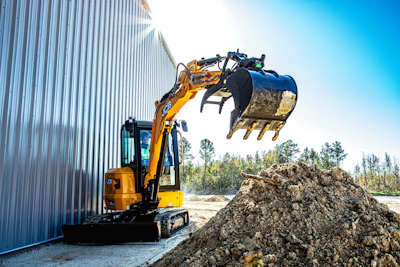
Peak construction season doesn't create equipment problems. It exposes them.
The machine worked just fine this spring. But back then, it might have only been running a few hours a day. Now that construction season is in full swing, it's expected to run from the time the crew arrives until the last truck leaves the jobsite.
That's when overlooked maintenance, worn attachments and small mechanical issues start costing real money. A hydraulic hose that should've been replaced weeks ago. Worn attachment teeth. A clogged cooling package. Individually they don't seem like much. Together, they can put an entire crew behind schedule.
Keeping a skid steer or compact track loader jobsite-ready doesn't require anything complicated. It comes down to building a few good habits before small issues become bigger ones.
Here are five practical ways contractors can keep equipment productive through the busiest months of the year.
1. Stay Ahead of the Small Stuff
When schedules get tight, maintenance is usually the first thing that’s pushed to tomorrow.
A small problem tomorrow has a way of turning into next week's problem, which turns into a machine in the shop instead of on the job.
Staying jobsite-ready starts with keeping ahead of the little things.
Follow the manufacturer's recommended maintenance schedule and pay attention to the components that work hardest this time of year. Before the machine goes to work, check engine oil, coolant and hydraulic fluid levels. Replace filters at the recommended intervals, grease the machine, inspect tracks or tires for wear, and look over hydraulic hoses and fittings for leaks or cracks. These checks take only a few minutes but can prevent hours of downtime.
Don't overlook the cooling package. Dust and debris quickly restrict airflow, forcing the machine to work harder. A few minutes cleaning coolers can prevent overheating during peak workloads.
Wear items like cutting edges, attachment teeth, tracks, tires and pins are easy to overlook, but they reduce efficiency, increase fuel consumption and add unnecessary strain to the machine.
A jobsite-ready loader isn't just serviced on schedule. It's maintained with tomorrow's work in mind.
2. Start the Day Strong
Not every day asks the same thing of a machine. One day a machine is unloading pallets. The next it's grading a pad or cleaning up after a utility crew.
Before the crew starts work, take a few minutes to think through what the machine is expected to accomplish that day and how it fits into the rest of the operation.
Where should the machine start the day? Are materials staged where they'll be needed? Will the loader be supporting multiple crews or moving between different work areas? Thinking through the work sequence can reduce unnecessary travel around the jobsite and keep operators productive instead of waiting on the next task.
Many compact loaders spend days or even weeks on the same project, making the start of each shift an opportunity to reset. A few minutes spent coordinating the day's work can help eliminate delays before they happen and keep the machine doing what it was brought there to do: work.
A jobsite-ready loader isn't just mechanically sound. It's part of a plan that keeps the entire crew moving.
3. Equip the Machine for the Work Ahead
A skid steer or compact track loader earns its keep through versatility. The same machine unloading pallets in the morning may be trenching or grading by the afternoon – but only if the right attachment is ready.
Before work begins, make sure the attachment matches the task – and the machine. Hydraulic flow requirements matter, especially when using specialized work tools like trenchers, augers or brush cutters. An attachment that isn't properly matched may still operate, but it won't deliver the performance the job demands.
Attachments also deserve the same daily walkaround as the machine itself. Inspect hydraulic hoses and couplers for wear or leaks, and look over cutting edges, teeth and other wear components before they begin affecting productivity. A worn attachment may not stop the job, but it can slow production, increase fuel consumption and put unnecessary strain on the machine.
If a project requires a specialized attachment, make sure it's available before the crew needs it. Whether it's owned or rented, having the right work tool on-site keeps the machine productive instead of sitting idle while someone tracks it down.
A jobsite-ready loader isn't just ready to run. It's equipped to do the work that's waiting for it.
4. Keep Operators Ready for the Day
A well-maintained machine still needs a prepared operator.
The machine isn't the only thing working longer hours. The operator is, too. During peak construction season, operators often spend the entire day in the same machine, moving from one task to the next with very little downtime in between. Fatigue builds throughout the day. As it does, productivity slips, cycle times slow and small details get missed. That's when mistakes – and machine problems – are more likely.
That's why operator comfort is about more than convenience. It has a direct impact on productivity.
The less energy operators spend fighting the machine, the more attention they can give to the work. Good visibility helps operators work confidently around trucks, materials and other equipment without constantly repositioning the machine. Intuitive controls reduce the time it takes to switch between tasks or attachments. A comfortable seat and well-designed cab help reduce fatigue so operators can stay focused during long shifts instead of simply getting through them.
Operators are also the first to notice when something changes. Maybe the machine doesn't sound quite right. Hydraulic response feels different. A warning light appears. An unusual vibration shows up that wasn't there yesterday. Those small changes often provide the first indication that something needs attention before it becomes a larger repair.
Encourage operators to speak up when something feels different. Addressing a concern at the end of today's shift is far easier than dealing with a breakdown tomorrow morning.
A jobsite-ready loader isn't just built for the work. It's operated by someone who's prepared to keep it working.
5. Let Technology Do Some of the Work
For contractors, the workday doesn't end when the machine shuts off.
Tracking service intervals, machine hours, fuel use and maintenance across multiple machines can quickly become a full-time job.
That's where telematics has become one of the most valuable jobsite readiness tools available today.
Modern telematics automatically track machine hours, idle time, fuel use and maintenance intervals, reducing paperwork while helping contractors identify developing problems before they become costly repairs.
The same information also helps dealers schedule service more efficiently, allowing maintenance to be planned around the work instead of reacting to unexpected breakdowns.
A jobsite-ready loader isn't just prepared for today's work. It's supported by systems that help keep it ready for tomorrow's.
Ready for Tomorrow
Peak construction season will find every weak link. The question is whether it finds it in the shop or on the jobsite.
Contractors who make jobsite readiness part of their daily routine are better positioned to keep machines working, crews productive and projects moving. A little preparation today can prevent a lot of downtime tomorrow.