

Volvo Construction Equipment (Volvo CE) and Hitachi Energy have signed a Memorandum of Understanding (MoU) to collaborate on the development of end-to-end approaches for zero-emission construction sites. The partnership aims to integrate electric construction equipment with clean power supply, energy management, and system integration capabilities.  Volvo Construction Equipment (Volvo CE)
The collaboration addresses a critical shift in the off-highway sector, where regulatory frameworks and investor demand are increasingly requiring projects to reduce emissions throughout the planning and execution phases. While individual electric machines are becoming more common, the companies noted that transitioning to fully zero-emission sites requires a coordinated ecosystem of power infrastructure and resource planning.
System-Level Integration
Under the non-exclusive agreement, Volvo CE and Hitachi Energy will establish joint teams to assess technical and commercial concepts. The scope of the collaboration includes:
- Joint development of business models and go-to-market approaches.
- System integration and site-level operational execution.
- Aftermarket and support considerations for electrified fleets.
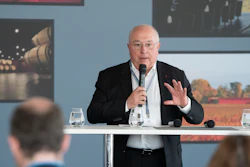
"Strategic partnerships such as this with Hitachi Energy are key to accelerating the transition to zero-emission construction," said Melker Jernberg, president of Volvo CE. "By combining complementary expertise and delivering a complete, integrated solution, we are giving customers the confidence, security, and peace of mind they need to adopt emission-free operations today."
Focus on Scalability
The initial phase of the partnership will emphasize "plug-and-play" approaches designed to simplify the transition for contractors and fleet operators. By focusing on practical operational execution, the companies intend to move decarbonization efforts from individual technology pilots to scalable, site-wide solutions.
Niklas Persson, CEO of Grid Integration at Hitachi Energy, noted that as construction operations become more complex and electrified, success depends on system-level integration and strong execution.
The agreement also establishes a framework for deeper technical engagement in the future. Potential areas for expansion include digital integration, connected machine technologies, and enhanced service offerings to support the life cycle of zero-emission infrastructure.