
Electrocution is one of the leading causes of workplace fatalities — and construction consistently ranks among the most hazardous industries. With crews working near overhead power lines, buried utilities, and temporary electrical systems, electrical risk is a daily reality on job sites. For company leaders, managing that risk goes beyond compliance — it’s about protecting lives, keeping projects on track and building a reputation for safety. That requires clear expectations, deliberate planning, and a culture of accountability at every level.
The impact of electrical hazards extends beyond electricians to operators, laborers, supervisors and subcontractors. All can be exposed through:
- Work near overhead power lines
- Excavation and trenching around and near buried utilities
- Temporary power, panels, cords, and lighting
- Use of power tools in wet and/or confined areas
- Resetting breakers or opening panels without proper training
The routine nature of many electrical tasks can create a dangerous sense of familiarity. When crews perform high-risk activities day after day, it’s easy for serious hazards to feel like just another part of the job. Leaders can counter this by reinforcing a safety culture that treats all electrical exposures as serious risks — not just routine tasks.
Control Overhead Line Exposure Before Work Begins
Overhead power lines account for nearly half of workplace electrical fatalities.
Ensure employee practices when working near or with overhead lines is crystal clear.
- Require a documented pre-job survey. Identify and map all overhead lines. Build those locations into your job hazard analysis and lift plans.
- Set hard clearance limits. Establish and enforce minimum distances between equipment, loads and power lines — and between workers and equipment operating near those lines.
- Use the right tools and materials. Specify nonconductive ladders, taglines and tools when working in the area of energized lines.
- Designate trained spotters. Assign a spotter whose only duty is to guide crane and equipment operators safely around power lines. Ensure the spotter has full authority to call a stop.
- Clarify stop-work authority. Make it explicit that any worker can halt operations if they believe equipment is encroaching on minimum approach distances.
Reduce Underground Strike Risk
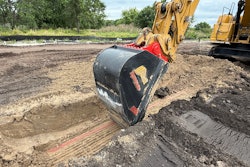
Excavation and trenching introduce another major electrocution risk: striking buried power lines. Common Ground Alliance damage data shows that many underground utility strikes stem from failure to follow basic processes — no 811 call, poor clearance practices or assumptions about where lines “should” be.
Your excavation standards should include:
- Call before you dig — every time. Require notification of 811 or your local utility locators well before excavation starts. Treat it as non-negotiable, not a “nice to have.”
- Cross-check drawings and field markings. Compare site plans, as-builts and utility maps with locator marks. If something doesn’t make sense, pause and investigate.
- Define tolerance zones and soft-dig areas. Around locate marks, require hand digging or vacuum excavation. Prohibit picks and aggressive mechanical digging in these zones.
- Use job-specific pre-task plans. For every trench or excavation, review the utility avoidance plan with operators, foremen and spotters. Clarify roles, clearance distances and emergency procedures.
- Engage third-party expertise when needed. On complex or congested sites, consider outside utility-locating specialists or safety consultants to validate your plan.
Tighten Controls on Temporary Power and Tools
On many jobs, temporary electrical systems and power tools are treated as background noise. That can create blind spots. Damaged cords, overloaded circuits, makeshift connections and wet environments can turn standard equipment into serious hazards.
Leaders can raise the bar by setting a safety-first example and by establishing clear expectations around:
- Routine inspections. Require daily checks of cords, GFCIs, panels and temporary lighting. Remove and tag out damaged equipment immediately.
- Circuit protection and load management. Ensure circuits are properly sized and protected. Discourage “daisy-chaining” power strips and overreliance on extension cords.
- Access control. Limit who can open panels or reset breakers. Only trained and authorized personnel should troubleshoot electrical problems.
- Environmental controls. Prohibit the use of electrical tools and cords in standing water. Provide adequate lighting in confined and below-grade work areas.
- Clear signage and housekeeping. Label panels and breakers clearly. Keep access to disconnects and shutoff switches free of debris at all times.
Make Training and Refreshers a Continuous Cycle
Most contractors provide some form of electrical safety training. The question is whether that training stays top of mind after orientation. New workers, in particular, are at higher risk in their first months on the job.
Leaders can strengthen training impact by:
- Building electrical safety into onboarding. Make sure every new hire understands electrocution hazards, lockout/tagout expectations and your rules around power lines and excavation.
- Scheduling regular refreshers. Use tailgate meetings and toolbox talks to revisit electrical topics, especially before seasonal shifts in work activity and at the start of new jobs.
- Using incidents and near misses as education tools. Share anonymized examples of electrical close calls from your own projects or industry case studies. Discuss what “good” looks like, what went wrong, and your policies and practices that are in place to prevent incidents.
- Testing understanding. Incorporate quizzes, demonstrations, or scenario-based discussions so you know workers understand, not just that they attended.
Build Positive Accountability into Safety Culture
Culture can be a big barrier to safety. Crews develop strong relationships, and nobody wants to be labeled a “whistleblower.”
Leaders can change that dynamic by:
- Setting a clear expectation to speak up. Make it part of your core values that looking out for each other is non-negotiable.
- Reinforcing the message positively. Recognize crews and individuals who identify hazards, call time-outs, or propose safer methods.
- Avoiding “safety by blame.” When leaders only show up to criticize, workers tune out. Focus on listening, asking questions, and collaborating. Hold people accountable, but in a way that keeps them engaged.
- Identifying informal leaders. On smaller jobs, there may not be a full-time superintendent on site, but there is always someone others look to. Equip those informal leaders to act as day-to-day safety champions.
Use Data and Insurance Partnerships to Stay Ahead of Risk
Managing electrocution risk is not a “set it and forget it” effort. Your claims history, incident reports, and near-miss data all tell a story about how well your program is working and where gaps remain.
At the leadership level, you should:
- Monitor electrical incident trends. Track not just recordable injuries but also minor shocks, near misses, and utility strikes or close calls. Look for patterns by crew, task type or project.
- Review your safety plan regularly. Don’t let your electrical safety and excavation policies sit on a shelf. Revisit them annually and after significant incidents.
- Engage your insurance carrier and broker. Many insurers offer safety consultations, jobsite visits and program evaluations to help you identify blind spots and improve your controls.
- Tie performance to reputation. A strong electrical safety track record can differentiate your company in a competitive bidding and recruiting environment.
Leading From the Top
Reducing the risk of electrocution starts with informed leadership. When companies prioritize a safety culture through utility planning, training, and a culture where workers speak up without hesitation, the results follow: fewer incidents, safer crews and stronger project delivery. The ultimate goal is simple and powerful — every worker goes home safely, and your company is recognized for making electrical safety a standard, not an exception.