AI-enabled camera systems with automatic switching and pedestrian detection are eliminating front-load blind spots on construction equipment, providing operators with real-time awareness and reducing collision risks on busy jobsites.
- Moving blind spot problem: Front-load mechanisms constantly change the operator's sightline as buckets and arms rise and fall, making visibility difficult to manage
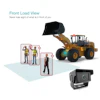
- AI solution: Brigade's Front Load View uses two cameras that automatically switch based on bucket position and embedded AI that detects pedestrians in the detection zone
- Dual protection: The system combines automatic camera switching for visibility with audible pedestrian alerts for operator attention in congested work areas
- Simplified design: Image-processing firmware built into the camera eliminates the need for a separate electronic control unit, reducing components and connections in harsh environments
- Practical impact: The technology supports safer loading and placement tasks while reducing operator distraction on mixed construction fleets
*This article is sponsored by Brigade, Inc.
On a crowded construction site, the area directly in front of a machine can be one of the hardest places for an operator to see. For mobile equipment with a front-load mechanism, the blind spot changes constantly as the bucket, forks or load rises and falls. Materials, uneven ground, dust, traffic and people moving through the work zone can make that changing view even more difficult to manage.
Camera-monitor systems have long helped operators see beyond a machine’s structure, but artificial intelligence is changing the role of those cameras. Instead of presenting only a passive image, an AI-enabled system can identify a person in a defined detection zone and provide a visual or audible warning. That extra layer of awareness can give a busy operator valuable time to stop, reassess the path ahead and avoid a collision.
The Moving Blind Spot
Unlike a fixed obstruction, a front-load mechanism continually changes the operator’s sightline. A camera angle that is useful with a bucket in the down or neutral position may be blocked as the arms rise. The size and shape of the load can further alter the visible area. This makes the problem especially relevant to wheel loaders and other machines that repeatedly lift, carry and place material while sharing space with ground workers and other vehicles.
A View That Changes with the Machine
Brigade Electronics developed Front Load View specifically around that moving blind spot. The solution combines two cameras, system triggers and embedded AI so the monitor automatically displays the most useful forward view for the position of the front-load mechanism. The goal is simple: keep the area in front of the bucket visible without requiring the operator to select a camera or manage another control while maneuvering.
How Front Load View Works
- A camera mounted high on the machine supplies the monitor view when the bucket or front load is in the down or neutral position.
- As the front-load mechanism rises, a trigger switches the monitor feed to a second camera mounted behind the mechanism, maintaining a clear forward view as the geometry changes.
- Pedestrian-detection AI monitors the defined area and provides an audible alert when a person is detected in the machine’s path.
- Image-processing firmware is built into the camera, removing the need for a separate electronic control unit and additional connectors.
From Better Visibility to Active Protection
The automatic camera handoff addresses visibility, while the AI alert addresses attention. Operators must watch the monitor, control the attachment, judge clearances, communicate with others and respond to changing site conditions at the same time. An audible warning does not replace safe operating practices or an operator’s judgment, but it can draw attention to a person in the detection zone at the moment it matters.
Designed for Harsh, Busy Worksites
Construction equipment lives in demanding environments, so system architecture matters. Processing within the camera housing reduces the number of separate components and connections that must be installed and protected. Automatic switching also supports an intuitive operator experience: the relevant view appears without manual intervention, while visual information on the monitor and an audible pedestrian alert work together.
Built from Operator and Fleet Feedback
The concept grew from customer feedback about forward blind spots and the added challenge they can present for newer operators. Customers asked for a system that required no operator intervention, combined visual and audible information, and avoided a separate electronic control unit in the machine’s harsh operating environment.
“As with many of our solutions, Front Load View was developed due to input from our customers. They shared the issues they were having with the forward blind spot and felt it was compounded by newer operators on the work site,” says Corey Heniser, CEO of Brigade Electronics Inc.
What AI Means for Construction Fleets
For contractors and equipment owners, the practical value is not AI for its own sake. It is a system that translates camera images into timely, usable information at the point of risk. Better forward visibility can support safer loading, carrying and placement tasks; automatic operation can reduce distraction; and integrated pedestrian detection can reinforce awareness in congested areas where workers and machines operate close together.
The same principles that strengthen other AI-enhanced vehicle camera systems also apply here: define the risk clearly, place cameras to cover the relevant zones, deliver alerts that operators can understand immediately and keep the technology simple enough to support everyday use. On a mixed fleet, a focused solution for front-load machines can complement other camera, radar, ultrasonic and recording technologies as part of a broader worksite safety strategy.
Keeping the Operator at the Center
AI is most valuable when it helps an operator make a safer decision without adding complexity. Front Load View applies that idea to a familiar but difficult construction hazard, pairing the right camera view with automatic switching and a targeted warning. As equipment becomes more capable and jobsites become more crowded, solutions designed around the machine’s actual movement—and the operator’s real workload — can turn a critical blind spot into a more manageable risk.