
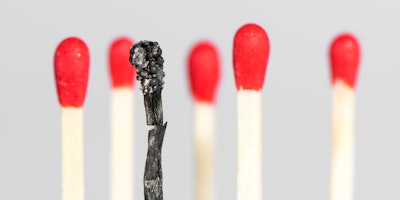
A new analysis from Vegas Insider ranks burnout risk across 50 job categories heading into winter 2025, offering insight into how seasonal pressures and working conditions affect construction, trades and other labor-intensive fields.
While healthcare and social services still top the overall list, the report notes that many construction and trade occupations face elevated burnout pressure tied to physical demands, long hours, hazardous conditions and limited recovery time during peak winter workloads. Laborers, equipment operators, utility workers and field technicians often experience compounding strain from weather exposure, tight deadlines and jobsite conflict — factors tracked in the Index’s modeling of emotional load, hours worked, injury exposure and recovery opportunities.
By contrast, burnout risk is lowest in roles with more predictable hours and less conflict-driven workload, such as technical writing, design and administrative support.
The findings underscore growing differences between jobs where strain builds — including many skilled trades — and roles where workload resets more easily. The report notes that construction and other labor-driven sectors are particularly vulnerable to staffing shortages when burnout rises, creating ripple effects across projects and timelines.
To curb burnout in high-strain environments, the report highlights several interventions:
- Limit after-hours communication, giving field teams clearer recovery windows.
- Build in recovery periods before winter peaks, rather than after.
- Rotate high-stress or conflict-prone tasks, such as customer-facing duties or emergency callouts.
- Increase staffing flexibility through temporary or cross-trained support during winter surges.
- Protect short breaks on the job, which improve focus, safety and decision-making.
The Winter Burnout Odds Index 2025 uses data from the U.S. Bureau of Labor Statistics, O*NET and established burnout research to evaluate pressure across emotional, physical and environmental dimensions.