Rental businesses can't solve the construction labor shortage, but they're one of the most practical resources a short-handed contractor has for working through it. When there aren't enough hands on-site to move a job at the pace it was scoped, the equipment on that job has to help the crew that's already there do more. That help shows up in three places: the machines they stock, the questions they ask at the counter and the handoff they give before a customer ever turns the key.
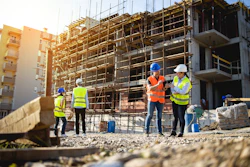
The scale of the problem is well documented. The 2025 AGC/NCCER Workforce Survey found that 92 percent of construction firms hiring are having difficulty finding qualified workers and 45 percent experienced project delays due to shortages within their own or subcontractors' crews. Those numbers describe a job market where the crew, the deadline and the material can all be on-site and ready, and the work still doesn't move at the scoped pace, because there simply aren't enough hands to do it. For rental businesses, those workforce numbers translate directly into tighter timelines, more urgent requests and customers who need every rental decision to count.
That pressure is already changing how contractors source equipment. The American Rental Association's 2026 economic forecast noted that rental penetration hit a new record in 2025, as more contractors leaned on renting rather than owning amid project uncertainty and tighter operating conditions. Customers still rent to avoid the cost of ownership. Increasingly, they're also renting to buy back productivity. That shift means fleet decisions can't stop at size, horsepower or daily rate. They have to account for how much work one operator can get done in a day.
For rental businesses, that's a reason to evaluate fleet mix through the lens of labor efficiency, not just utilization rate.
Rental has always been tied to flexibility: a customer needs a machine only for a limited window. That model still holds, but labor constraints have made the decision more operational. The job is often already lined up; the missing piece is enough available help to move through it smoothly. Equipment choice can directly ease that pressure. A machine that cuts manual hauling or limits unnecessary trips across a site makes the day more manageable for the crew, and it reduces fatigue, which matters when schedules are tight and people are moving quickly from one task to the next.
None of this replaces the people making the real decisions on-site. Anyone who has spent time around an active jobsite knows the crew still reads the ground, adjusts the plan and catches problems before they get expensive. The right machine simply gives them a better way to spend their time and energy.
For rental businesses, that's a reason to evaluate fleet mix through the lens of labor efficiency, not just utilization rate. A highly specialized machine will always have a place for certain jobs, but customers under staffing pressure often benefit more from equipment that supports several applications. Multi-attachment machines deserve a closer look because they allow one operator to move between phases of work without bringing in a separate machine for each task. The base machine usually gets most of the attention, but the attachment plan often determines how useful the rental actually is. A crew may start the day moving soil, then need to handle debris or place materials before leaving the site. When one machine can take on several of those jobs with the right attachments, the customer spends less time coordinating extra equipment and more time keeping the project moving.
The better first step is to ask three simple questions: what's the job, what does the site look like and who's operating the machine?
For example, a three-person landscaping crew using a compact articulated loader with pallet forks and a bucket may complete material handling, grading and cleanup with one machine instead of coordinating multiple pieces of equipment. That efficiency can help crews stay on schedule even when staffing falls short.
That flexibility matters most when scope changes mid-job, which almost always happens. A contractor uncovers additional material that needs to be moved. A landscaper finds the access point is tighter than expected. A property maintenance crew needs to handle cleanup and repair in the same visit. In those moments, an attachment-friendly machine gives the customer options without turning every new task into a separate rental decision. For rental owners, that same flexibility supports stronger fleet utilization across the calendar. A machine that runs buckets, forks, grapples, augers, brooms or snow tools can serve different customer groups throughout the year: site prep and landscaping in spring, construction and property maintenance in summer, cleanup and pre-winter work in fall, and snow and ice management in winter. A multi-attachment machine isn't the answer for every rental, and rental teams should be honest about that. But when customers need flexibility, transportability and the ability to handle several tasks in one rental window, attachment-friendly platforms help rental businesses deliver more value from a single machine.
Getting to the right machine usually starts with a better conversation. Many rental conversations begin with the customer naming a specific machine. Sometimes they know exactly what they need. Other times, they're asking for the equipment they've always used because no one has walked them through a better option. The better first step is to ask three simple questions: what's the job, what does the site look like and who's operating the machine? Site details like access points, ground conditions and material being handled often reveal whether the requested machine is the right fit or simply the most familiar one. A contractor working behind an occupied building may need maneuverability more than size. A landscaper on a finished property may need to move material without causing turf damage that would require another repair. A homeowner may need something capable of helping but simple enough to operate after a proper handoff.
The goal is to avoid sending customers out with equipment that creates friction. A machine that can't fit through the access point, or an attachment missing from the order, can derail a rental before the work even begins. The same is true of a setup that requires an operator the customer doesn't have. Rental teams that ask those three questions every time become more useful to customers. That's not just good service; it's the kind of decision-making support that earns repeat business.
The labor shortage won't be solved by equipment alone.
Labor shortages also mean customers often have access to less experienced operators. A contractor may be training a new hire faster than planned; a homeowner may be running compact equipment for the first time. Even equipment designed to be approachable still needs a rental experience that sends the customer off with confidence, and that starts with a clear handoff. Rental teams should walk customers through startup, shutdown, attachment changes, transport considerations and the safety points specific to their job. The best explanation is practical and tied to exactly what the customer is about to do, not a generic script.
Customers need information that helps them use the equipment correctly, protect the site and return the machine in good condition. A few extra minutes at pickup can prevent confusion once they're standing on the jobsite with a deadline looming. This matters even more for multi-attachment equipment, where the base machine may be simple to run but the application still requires care. Changing attachments, understanding hydraulic connections, securing loads and operating around finished surfaces all call for clear instruction. A proper orientation protects the customer, the equipment and the rental business alike.
The labor shortage won't be solved by equipment alone. The industry still needs stronger recruiting, better training pathways and more people entering the trades, and that work will take years to pay off. What rental businesses can do is help customers manage the pressure they face today. Counter staff hears firsthand which machines saved time, which attachments made a job easier and which rentals caused frustration because real site conditions weren't discussed up front. Those insights should feed directly into fleet planning and staff training, not just get filed away after the transaction closes. The crew that shows up short-handed will still find a way to get the job done. The question is how much friction they run into along the way, and how much of that friction was avoidable.
By building practical fleets, asking the right questions and treating equipment choice as part of the customer's broader labor strategy, rental owners can close some of that gap before the crew ever picks up the keys. That's the kind of value customers remember and come back for.