
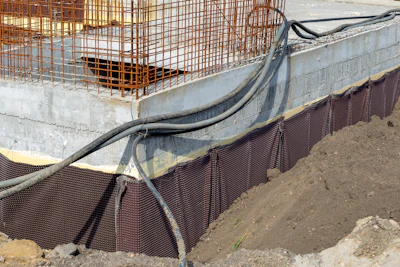
Water has always been one of the biggest threats to a home's foundation, but today's changing weather patterns are making effective water mitigation more important than ever. Across the country, contractors are seeing the effects of heavier rainfall, prolonged heatwaves, and rapid weather swings which strain foundations. While no contractor can control the weather, proactive water mitigation can significantly reduce the long-term damage these conditions create.
The key is recognizing that water mitigation is about managing moisture before it becomes a structural problem.
Extreme Weather Is Putting Foundations to the Test
The foundation of a home can experience significant damage due to extreme weather events.
Heavy rainfall can cause erosion of the soil beneath the foundation and water issues in basements and crawlspaces due to rising water tables or inoperable foundation drain systems installed at the time of construction. Even homes that have performed well for years can suddenly develop water intrusion issues after a series of unusually heavy rain events.
On the opposite end of the spectrum, prolonged heatwaves combined with drought conditions can lead to foundation settlement issues in regions with high-plasticity clay soils. As moisture leaves the soil, clay shrinks, creating voids beneath the foundation that can result in differential settlement.
The Warning Signs Often Start Small
One of the biggest challenges with foundation and moisture problems is that the earliest warning signs are easy for homeowners to overlook.
Musty smells inside the home, damp basement walls or the white chalky substance known as efflorescence on basement walls are all common signs of a water intrusion issue. By themselves, they may not seem urgent, but they often indicate moisture is already making its way through the foundation.
Catching [warning signs] early gives contractors the opportunity to recommend solutions before repairs become significantly more extensive and expensive.
As water issues continue, structural symptoms often begin to appear. Exterior cracks in brick veneer or foundation walls, doors, and windows that become difficult to open or close, drywall cracks, and cracks in concrete slabs are all early signs that a home could be experiencing foundation settlement.
While construction methods may vary by region, these warning signs remain remarkably consistent. Catching them early gives contractors the opportunity to recommend solutions before repairs become significantly more extensive and expensive.
Water Mitigation Should Be Part of Every Repair Strategy
When moisture problems are identified, fixing visible damage alone rarely addresses the underlying cause.
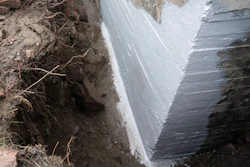
Effective repairs should begin with understanding how groundwater is entering or affecting the structure. In many cases, below-slab interior drainage systems paired with sump pumps provide an effective way to manage groundwater beneath basement slabs caused by hydrostatic pressure and rising water tables during heavy rainfall.
Crawlspaces require a similar approach. Drainage systems can collect and manage groundwater intrusion, while crawlspace encapsulation combined with a properly sized dehumidifier helps control humidity and reduce excess moisture that contributes to mold, wood deterioration, and poor indoor air quality.
Addressing moisture at its source not only helps protect the foundation but also improves the long-term performance of the entire home.
Every Home Requires a Different Solution
No two repair projects are exactly alike because soil conditions, drainage patterns, and site characteristics vary from property to property.
Today, more homes are being constructed on fill material rather than virgin soil due to limited land available for development. Heavy rainfall and prolonged drought can both negatively affect fill material, increasing the likelihood of foundation settlement.
The goal is not simply to repair visible damage but to correct the conditions that caused the problem in the first place.
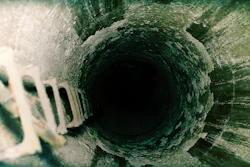
For homes experiencing significant movement, stabilization may require more than drainage improvements alone. Helical piles or micropiles can transfer the weight of the structure through unstable soils into competent load-bearing strata that are far less susceptible to changing moisture conditions.
The goal is not simply to repair visible damage but to correct the conditions that caused the problem in the first place.
Prevention Is Always Less Expensive Than Restoration
Foundation repair often begins with relatively minor symptoms that have gone unaddressed for months or even years.
What starts as a damp basement wall or a musty odor can eventually become significant water intrusion, structural movement, and costly repairs. Likewise, small settlement cracks can become larger structural issues if changing soil conditions are ignored.
As weather patterns continue to evolve, contractors should encourage homeowners to think of water mitigation as preventative maintenance rather than an emergency response.
Managing groundwater, controlling humidity, improving drainage, and stabilizing vulnerable foundations all help extend the life of a home's most important structural component. Water cannot be eliminated, but with the right mitigation strategies, its impact on foundations can be significantly reduced.
For contractors specializing in foundation repair and waterproofing, that shift in mindset represents one of the greatest opportunities to deliver lasting value. The best repairs fix today’s problems while also helping to prevent tomorrow’s.