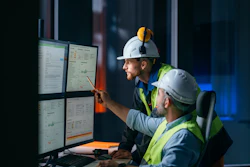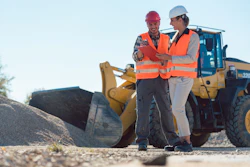

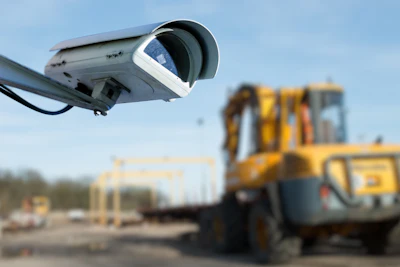
Construction is entering a new era through connectivity with real-time data and operational visibility. As cameras track the progress 24/7, sensors monitor safety compliance as the data flows constantly between field teams and project managers.
For years, construction has tolerated outdated surveillance systems, poor connectivity and hardware that requires an IT technician to keep running. The result is a hidden cost crisis, one that is felt through drained budgets, exposed jobsites, theft incidents, compliance failures and every hour of lost productivity.
The reluctance to modernize has become one of the most underestimated risks in the sector, quietly weakening operational resilience. Legacy systems weren’t built for today’s cloud-first world, and project managers must understand the risks of not upgrading them.
Construction is at a Breaking Point
Unlike fixed facilities, jobsites are temporary, remote and constantly changing. They demand resilience and real-time intelligence, something traditional systems aren’t designed to deliver. Many firms cling to these systems because they’re familiar or because upgrading seems too costly. In today’s environment, ‘good enough’ technology is not enough, judging by the rising costs, tighter deadlines and increased security threats.
Modern projects require:
Instant redeployment as sites evolve
Reliable connectivity in remote or power-limited environments
Unified oversight across multiple locations
Proactive safety and security monitoring
Compliance reporting that keeps pace with regulation
Legacy systems cannot keep up, and the distance grows every year. The industry has convinced itself that sticking with outdated tech is the cheaper option. It isn’t. It’s the most expensive decision a company can make.
The cost of outdated systems is no longer just financial; it’s strategic. Companies that fail to modernize are not just behind; they are actively widening the gap between themselves and competitors who have embraced cloud-based solutions.
The Hidden Costs
Executives often assume that maintaining legacy systems is cheaper than replacing them, but the data says something different entirely. The true costs show up in 5 key areas:
Operational Drag and Maintenance Overload: IT teams spend hours repairing outdated systems to function correctly. Every visit and every manual reset is time wasted from the real strategic process. Modern mobile surveillance trailers and cloud-native platforms eliminate this drain by enabling remote diagnostics, automated updates and reduces downtime. This shift frees teams to focus on innovation rather than firefighting, allowing organizations to redirect resources towards better initiatives.
Security Vulnerabilities: On a jobsite, unsupported firmware and outdated software are not just theoretical risks; they invite security breaches. Unauthorized access to surveillance feeds, compromised data, and compliance failures are increasing with outdated technology. Cloud-enabled smart detection systems now offer intrusion alerts, smoke and fire monitoring and PPE compliance checks that legacy systems can’t match. In a time where cyber threats are escalating across all industries, construction cannot afford to treat security as an afterthought.
Data Silos and Decision Making: Construction needs real-time insight, but legacy systems trap data in isolation, forcing teams to rely on manual reporting. Legacy systems force teams to rely on outdated reporting and gut instinct. The lack of integration creates blind spots that affect scheduling, safety and resource allocation.
Downtime and Lost Opportunity: As systems fail, the cost isn’t just for the manual repair; it’s also the lost hours, delayed work, safety blind spots and the theft that happens during the reboot time. Downtime also undermines trust, both internally and externally with clients.
Small Talent Pool: Few professionals still understand the outdated hardware, and those who do are expensive. It’s no longer sustainable. Younger talent entering the industry expects modern tools, intuitive interfaces, and cloud-based workflows.
Modernization as a Strategic Reset
The firms that are pulling ahead aren’t doing so due to new gadgets; they’re doing so as they have recognized that modern, cloud-based systems fundamentally change what’s possible on a jobsite.
They deliver:
Real-time visibility across every site
AI-driven alerts that prevent incidents rather than documenting them
Environmental monitoring that protects workers and ensures compliance
Predictable costs instead of surprises
A unified platform instead of outdated hardware
Modernization isn’t about technology, it’s about control. The control of risk, control of cost, and the control of outcomes.
The Path Forward for Innovators
Modernization doesn’t require a disruptive overhaul. The most successful transitions follow a strategic roadmap:
Identify systems with the highest hidden costs
Prioritize upgrades that provide the highest ROI
Choose platforms that integrate seamlessly with existing workflows
Consolidate security, compliance, and diagnostics into one hub
Track measurable gains in safety, efficiency and cost reduction
This is how construction firms turn outdated systems into scalable growth. Modernization done thoughtfully and strategically can deliver immediate benefits while laying the foundation of long-term operational excellence.
The Future of Construction
The industry is evolving, and the winners will be those who embrace new technology, not as a tool, but as a strategic foundation.
Cloud-native surveillance, smart detection, environmental monitoring and unified oversight aren’t a nice-to-have; they are the baseline for operational excellence.
The question for construction leaders is no longer ‘can we afford new technologies?’, but rather ‘can we afford not to?’. The firms that act now will define the next generation of construction. Those who hesitate will find themselves competing with one hand tied behind their back.