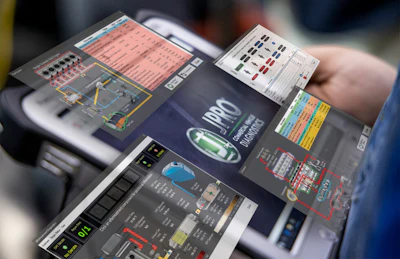
*This content is sponsored by Noregon
Purchasing a reliable tool is vital to receiving the latest features and coverage, so you never turn down a repair job, or risk unnecessary equipment downtime, due to faulty or dated software.
For expert tips on the tool buying process, we’ve put together a few factors to consider below.
1. Trust Your Hardware
Even the best diagnostic and repair software will fail to meet its potential when loaded on a device with specifications that fall below the software’s requirements. Reputable software will include a list of required specs, so check those against the intended hardware before purchasing. In this industry, the adage “time is money” could not be more accurate, therefore technicians cannot afford slow connection times due to old, or underequipped, technology.
2. Purchase Reputable Software
Purchasing from an untrustworthy source also increases your susceptibility to cybersecurity threats. Whether installed maliciously or unknowingly, your software may contain backdoor access that makes your device a threat vector for attacks. In addition to these concerns, you are also susceptible to missing out on repair work by using pirated software. Without the means to keep software updated, you are vulnerable to missing the features or coverage needed to work on new vehicles and equipment.
3. Conduct Research
Unfortunately, buyer remorse is a common occurrence after purchasing certain diagnostic and repair solutions. With the best tool, you will feel like you made an investment; with the worst tool, you will feel like you wasted your business’s hard-earned money. The correct tool will expedite the diagnosis and repair process while educating technicians to improve efficiency. The wrong tool will promise all the features and coverage but fail to deliver when it comes time to use the newly purchased tool.
Try out the product you wish to purchase and ask yourself the following questions:
- Is it user-friendly and intuitive?
- Does it cover the makes and models I routinely repair?
- Does it fit the needs of my employees, ranging from entry-level to master technicians?
- Are there consistent updates so I can work on the latest systems and components?
Tying it All Together
The right diagnostic tool should be able to quickly scan components, guide technicians from diagnosis through completed repairs, and fit the needs of both entry-level and master mechanics, allowing them to effectively maintain and service equipment.
For more details on each tip, download our dedicated guide for purchasing the right diagnostic and repair solution to ensure your operation runs at peak efficiency.


