
As temperatures climb, so do the demands on fleet vehicles. Extended heat can accelerate wear on critical components, increase the risk of roadside breakdowns and make it harder for fleets to stay on schedule during one of the busiest times of the year.
According to Cox Fleet, a proactive maintenance strategy can help reduce downtime, improve safety and keep trucks ready for both the summer heat and roadside inspections.
Here are seven areas fleets should prioritize:
1. Check tire pressure and tread regularly
Heat and underinflated tires are a recipe for blowouts. Conduct routine inspections for proper inflation, uneven wear and tread depth, and replace worn tires before they fail. Avoid adjusting tire pressure immediately after driving, as heat can affect readings.
2. Test batteries before they fail
While cold weather often gets the blame, high temperatures can shorten battery life by causing fluid loss and reducing performance. Regular load testing, clean terminals and properly functioning charging systems can help prevent unexpected failures.
3. Inspect cooling systems
Cooling systems work harder during the summer months, making them one of the most important areas to inspect. Check coolant levels, belts and hoses, and clean radiator screens to maintain airflow. Replacing aging components before they fail can help prevent costly engine damage.
4. Don't overlook the air conditioning
A functioning A/C system helps keep drivers comfortable, alert and focused during long shifts. Inspect system performance during preventive maintenance, check for leaks and clear drain lines before temperatures peak.
5. Prepare for increased inspections
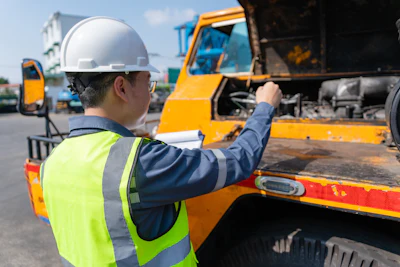
Summer often brings more DOT roadside inspections. Staying current on preventive maintenance and addressing minor issues before vehicles hit the road can help reduce the risk of violations and unplanned downtime.
6. Plan ahead for parts and repairs
As demand for maintenance increases during the summer, parts availability and repair turnaround times can become more challenging. Scheduling preventive maintenance early can help fleets avoid delays and unexpected costs.
7. Shift from reactive to preventive maintenance
Waiting for equipment to fail often leads to more downtime, higher repair bills and missed deliveries. Building a preventive maintenance program focused on heat-sensitive systems can extend equipment life and improve fleet reliability.
According to Cox Fleet, summer maintenance isn't just about preventing breakdowns. It also helps improve driver safety, support regulatory compliance and keep operations running efficiently during the busiest months of the year.