

The use of an unmanned aerial vehicle (UAV) for construction projects has slowly increased over the years. Where once these provided merely a bird’s eye view of the job, new technology solutions added to their functionality. With the right software and cameras, these drones can now live stream video to inspect sites, monitor material amounts, clean/wash windows, spray, and more. Not to mention taking amazing project before/after pictures or simply aerial photos of a home.
If considering adding a drone asset to your equipment rental fleet, here are a few considerations to keep in mind. First, terminology. While the term drone is the most common, this can refer to any unmanned vehicle, either on the ground (terrestrial), aircraft (UAV, unmanned aerial vehicle), or watercraft. Due to its popularity, most people will likely be referring to the aircraft version. The Federal Aviation Administration (FAA) uses “unmanned aerial systems” (UAS), but this term appears to include the entire ecosystem, such as the pilot, hardware, software, and sensors. For typical conversation, terms like UAV, UAS, and drone are often synonymous.
Operate or Pilot
In order to pilot a drone for commercial use, the operator would need a Part 107 certification from the FAA. This allows the person to fly within a standard set of rules: elevation limits (how high you can fly); weight (how heavy the drone can be); location (where you can and cannot operate); as well as other requirements, such as maintaining visual line of sight (or VLOS).
There are special licenses that fall outside of Part 107. One may permit flight over the weight limit or different uses or cover different uses (i.e. Part 137 would cover piloting a drone for agricultural spraying). Waivers can be applied for provided certain requirements are met — such as flying over the weight limit, above people, or go beyond VLOS (or BVLOS), which would require a working parachute on the drone.
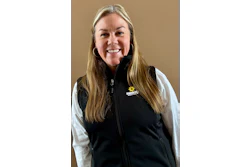
“Recently, the FAA has proposed a new framework called Part 108,” says Tyler Dowd, manager, drone solutions at Sunbelt Rentals Inc. “[This] is a set of rules to fly BVLOS (beyond visual line of sight). Instead of having to get a waiver, you can do that as long as you’re flying within that framework.” Editor’s Note: Rule changes were being reviewed at the time of this interview, with any updates to be voted on.
As exciting as that may be, it very well may be a bit more than necessary. Use for rental customers is likely going to be more basic, standardized flights (or missions). Training and resources relevant to the Part 107 exam should suffice for most equipment rental customer operations.
Exams are taken at a registered testing facility governed by the FAA. A good search online should result in nearby locations. Most allow operators to book an appointment to take the exam. Let your customers know that it is (at current) a 60-question multiple-choice test. Unlike your driver’s test, there is no practical portion.
More information can be found at FAA.gov.
Earning this certification is the most basic barrier to operating a UAV, apart from renting one from your business. For Sunbelt Rentals, which announced in September 2025 that it began adding drones to select locations, that requirement prevents just anyone from renting the equipment. If the customer were doing anything commercial, they would need the certification anyway.
Regardless of the type and purpose of the rented drone, it may be smart to offer customers a chance to become familiar with the equipment and further ensure success. Many OEMs offer training — it’s strongly recommended for customers to complete prior to rental.
While there isn’t a certification or license to rent UAV assets, Dowd strongly recommends building a good relationship with the FAA and/or the nearby FISDO (flight standards district office). Rental shops will need the greenlight from them to proceed.
A Payload of Cost
Before clicking any “buy now” button, it’s important to understand some major points on what affects the cost. For instance, where the UAV was manufactured and assembled, what technology/sensors have been integrated (many come available in varying packages and capabilities), the frame, the range (distance the drone can fly in a single charge), autonomy, size (which affects payload of additional sensors), as well as style/type.
Dowd explains that drones that are covered by Part 107 range from 250 grams to 55 lbs. Sunbelt’s cleaning drones are roughly 35 lbs. on the ground with batteries. They become heavier with the hose. Another drone of theirs is about 4 lbs.
Because drone rental is such a new industry, one of the lessons learned is to understand and qualify the customer to provide them the best solution, says Dowd.
No matter what, it’s the same customer service that will help connect the dots in the flight path, if you will. Speaking with the customer and understanding their needs will always be key.
“The technology is new to everybody, more or less, in our rental field,” says Dowd.
He offers some advice, “Understand what and how they intend to use the drone to provide them with the best full solution. Ask what type of data they are looking to collect, how they are going to be processing that data, and make sure that you can actually assist them to accomplish their plan.”