
AI has arrived in construction. For the last several years, much of the discussion around AI in the industry has centered on dashboards, analytics platforms and software that helps organize information behind the scenes. Those tools have value, but they are often far removed from where construction work actually happens.
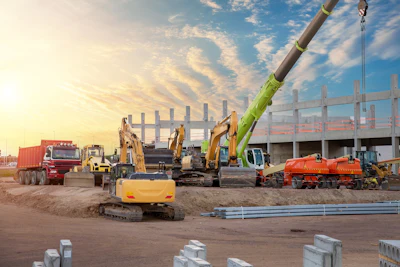
The field is where schedules become reality. It is where plans collide with changing conditions, where issues emerge and where teams make hundreds of decisions every day that determine whether a project stays on track.
For the people running projects onsite, the challenge has never been a lack of information. It has been knowing whether the information they have actually reflects what is happening on the jobsite at that moment.
Construction is physical, fast-moving and constantly changing. Reports, schedules and spreadsheets describe what should be happening. But they often lag behind what is actually happening, and that gap creates risk.
A schedule may show a task as complete while crews are still working in the area. A report may indicate materials were installed correctly, only for teams to discover an issue weeks later. Small disconnects between documentation and reality can quickly turn into delays, rework and costly surprises. That is where the next opportunity for AI is emerging.
Giving AI Eyes on the Jobsite
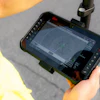
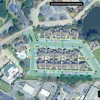
AI becomes more useful when it can understand what is happening in the field. That is creating a major opportunity for Visual Intelligence: AI-powered systems that automatically capture jobsite conditions, compare progress against plans and surface potential issues before they become larger problems.
Instead of relying solely on manual updates or after-the-fact reporting, these systems create an ongoing visual record of the project itself.
Think about how much time project teams spend walking sites, documenting conditions, tracking progress and resolving questions that start with simple requests:
"Did this get installed?"
"When did that change?"
"Was this wall closed before we checked behind it?"
"What did this area look like three weeks ago?"
Those questions are often surprisingly difficult to answer quickly.
Visual Intelligence creates a continuously updated view of the jobsite that teams can search and reference. Instead of hunting through emails, photos or reports, teams can see what happened, where it happened and when.
Moving From Documentation to Decisions
The value is not simply capturing more information. Construction teams already deal with enormous amounts of data. Adding more dashboards or more reports does not automatically solve problems. The goal is making that information actionable.
AI can increasingly identify patterns across visual data that people may miss. It can compare site conditions against plans, flag missing work, identify discrepancies and help teams focus attention where it matters most.
Instead of spending time collecting information, project teams can spend more time acting on it. And in many cases, catching an issue earlier is where the biggest value appears.
Discovering a coordination problem before walls are closed is very different from discovering it weeks later. Identifying progress delays while teams still have time to adjust is very different from learning about them after schedules have already slipped.
The Future of AI in Construction Is Grounded in Reality
There is no shortage of excitement around AI right now, and construction will continue to see new tools emerge. But for teams in the field, the most important question may not be how much AI can analyze, but rather how well AI understands reality.
The contractors that gain the greatest value from AI will not simply be the ones using smarter software. They will be the ones giving AI access to the jobsite itself. Because when AI can see what is actually happening, teams move faster, coordinate better and catch problems earlier.
That is where the real opportunity begins.